Youth unemployment is a political choice: UCU & the trade union movement must respond

By Sean Vernell (UCU City and Islington and UCU FE National Negotiator) and Regine Pilling
Just under one million 16 - 24 year olds are not in work, education or training. Overall unemployment stands at 5%, but among 16-24 year olds it is 16.1% - this is the highest in eleven years. That’s one in eight young people who are not in work, education or training. These are not marginal figures, they are shocking and a social indictment.
How is it that the sixth richest country in the world cannot provide the most basic needs for our young people?
The response from politicians and employers is shameful, yet predictable. They blame the minimum wage and young people’s supposed lack of skills. They fail to take any responsibility for the problem, instead blaming young workers for apparently ‘pricing themselves out of work’ and on to teachers for failing to train them with the skills needed by the labour market.
Starmer’s Labour government accepts these explanations. Caving into pressure from employers, it seems they will break another manifesto pledge and delay the rise in minimum wage for under 21s. This will only entrench the discrimination already faced by young workers. The review commissioned by the government and led by arch-Blairite Alun Milburn, is clearly preparing justifications for another assault on young people’s benefits, if they refuse to take low paid and demeaning jobs.
The real reason one million young people are out of work, education or training is not a failure of character or capability. It is the relentless pursuit of profit. Over the past four decades wealth inequality has widened dramatically. The trickle-down economics ushered in under Thatcher did not generate shared prosperity; it concentrated wealth in ever fewer hands. Big businesses desire to maintain these historic highs of profitability, have been achieved through trying to weaken unions, cut jobs, increase workload and lower wages.
The supposed “skills deficit” of young people is not the core issue for their unemployment. The deeper issues is the failure of governments to create or invest in new, meaningful and well-paid jobs. Instead they have remained wedded to the deregulated neoliberal economic models of the last fifty years. The acceptance of this orthodoxy has seen public services privatised and undermined, often accompanied by deskilling and always by a reduction in wages and conditions.
This has further undermined, rather than expanded, job opportunities. Alongside this there has been an over emphasis on so-called economic growth in the ‘service and financial sectors’ - growth that too often generates low-paid, insecure and low-skilled work.
This has combined with an education system which has prioritised a Govian curriculum and heavy assessment approach which has left many young people disillusioned and ‘failed’ by the education system. The government’s recent curriculum review acknowledged aspects of this problem, yet there has been little willingness to pursue the structural changes necessary to build an education system capable of enabling young people to flourish as informed and fulfilled individuals.
Mass youth unemployment has been institutionalized as a structural feature of the economy since the late 1970s.. For fifty years successive governments have failed to introduce schemes to create work. From the disastrous YOPs, YTS and MSC schemes of the early 1980s, to the 2013 decision to raise to 18 the age at which young people must remain in education or training - all have failed to secure young people meaningful employment.
Those of us who work in Further Education know too well the impact on young people's lives of government and employer failure. Sickness rates are at a record high. This is due to an increase in physical and mental ill-health, as young people find it increasingly difficult to live in a brutal world that prevents them from fulfilling their dreams. A generation is being asked to lower their expectations in order to fit the suffocating constraints of an economy that offers insecurity as standard.
Workers staying in work for longer is often cited as a key barrier to young people gaining work. This narrative is an attempt to divide young workers from old. To the extent that this narrative is true, there are easy solutions to this problem.
First, return the state retirement and workplace pension age to 60, equalised at what was previously women’s retirement age. Increase employer pension contributions to facilitate stronger pensions which allow older workers to retire earlier. Second, introduce a three day week on the same pay for those already in work, enabling those younger workers to enter the labour market.
We are told this argument is unaffordable and ‘pie in the sky’. But affordability is a political question - funding is about political choices and not cast-iron economic rules. This government has chosen to increase arms spending by 5% rather than deal with youth unemployment. These are not economic inevitabilities but political choices being made.
Unemployment has always played an important role in the running of the system. Unemployment is a surplus pool of labour that can be tapped into when order books are full. Its existence disciplines those in work:‘don’t complain about your pay and conditions as plenty of others would be more than happy to take your job’. Youth unemployment is not an accident; it is the result of choices and is being embedded into the system.
Therefore, this task is an urgent one. We must build a campaign capable of preventing the further immiseration of young people and of resisting attempts to divide those in work from the unemployed, and young from older workers.
The trade union movement must act.
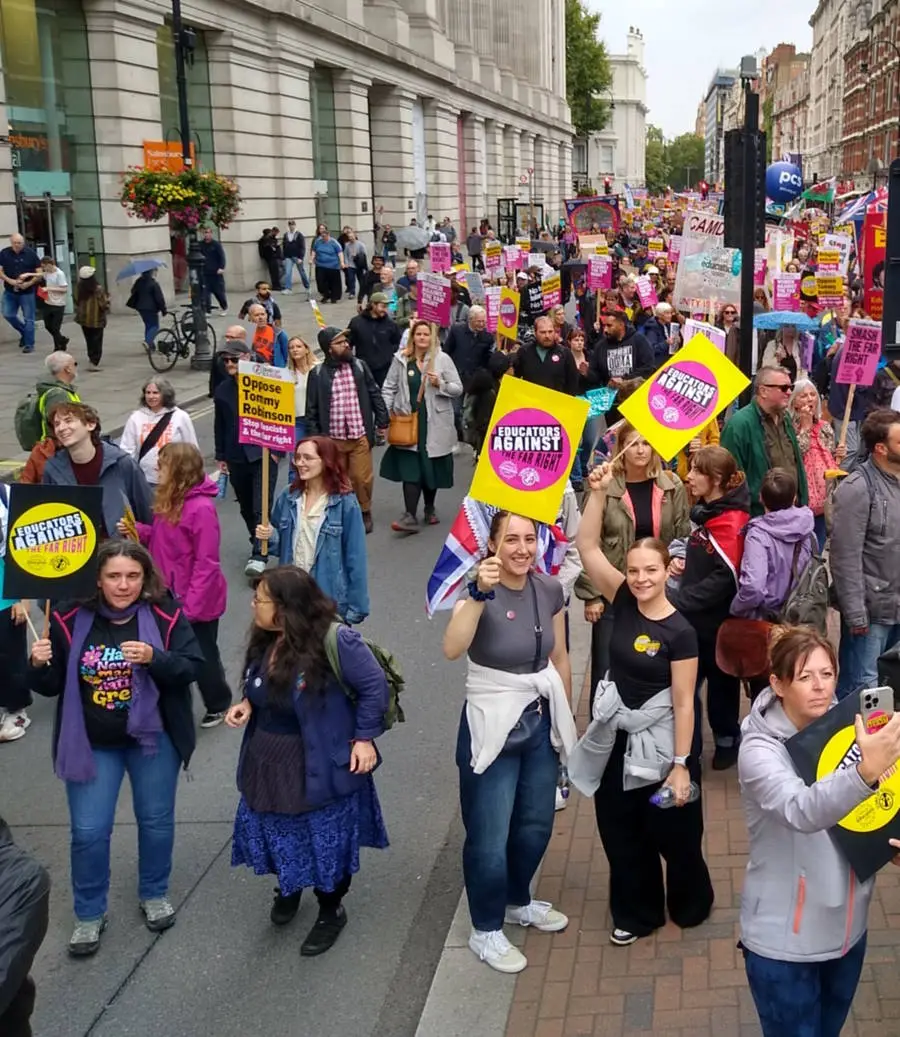
The dangerous consequences of failing to act and of centering youth unemployment are all too clear – as shown by the Unite the Kingdom demonstration in September 2025, organised by the fascist Tommy Robinson. On the demo there were large numbers of young working class teenagers, pumped up with rage, marching through the capital.
Reform UK argues that the white working class youth are more likely to be unemployed than their Black and Asian counterparts. This is clearly untrue. Institutional racism ensures that young Black people are twice as likely to be unemployed as their white counterparts and Asian youth suffer the highest rates of unemployment (23%) according to a TUC report into equality and diversity in employment.
The labour and trade union movement has historically played an important role in ensuring that the collective power of the trade union movement is the champion of working-class youth rather than the hate filled divisive politics of the far right. The far right offers not solutions but scapegoats.
Historically, the labour and trade union movement has provided a different answer. The Right to Work campaign launched in the latter half of the 1970s played an important role in undermining the fascist National Front’s support among white working-class youth. The RtW campaign organised marches, lobbies and young unemployed activists joined striking workers on their picket lines.
We need to once again make the issue of youth unemployment a central part of our wider campaigns. We must challenge the increasingly dominant narrative, promoted by sections of the media, the far right and mainstream politicians alike, that this crisis is caused either by the young themselves or by older workers clinging to employment.
Young people today need policies that will ensure they don’t become another ‘lost generation’, scarred and dehumanised by life on the scrap heap. We must renew the demand for one million green jobs, to return to public ownership of all our utilities, for council housing on a mass scale, and for the reversal of cuts to youth services across higher, further and adult education. Tuition fees must be scrapped for all courses.
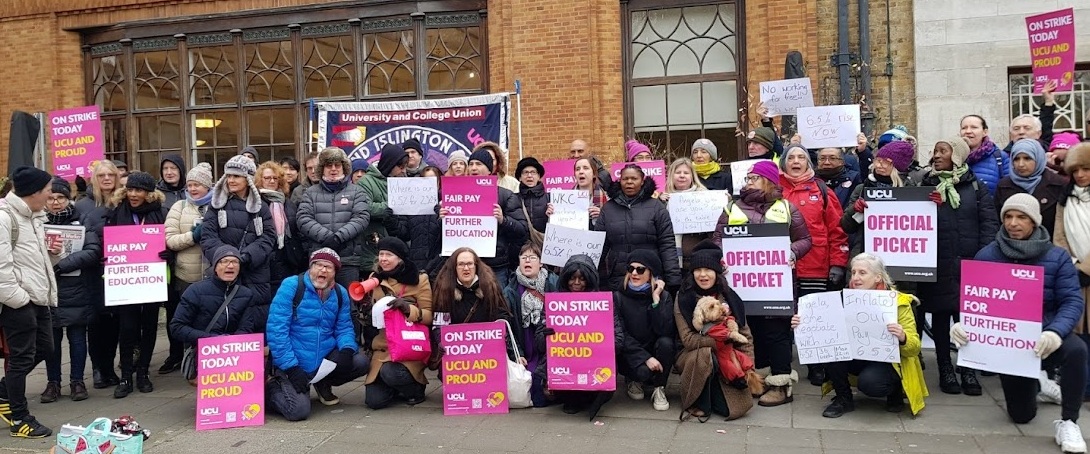
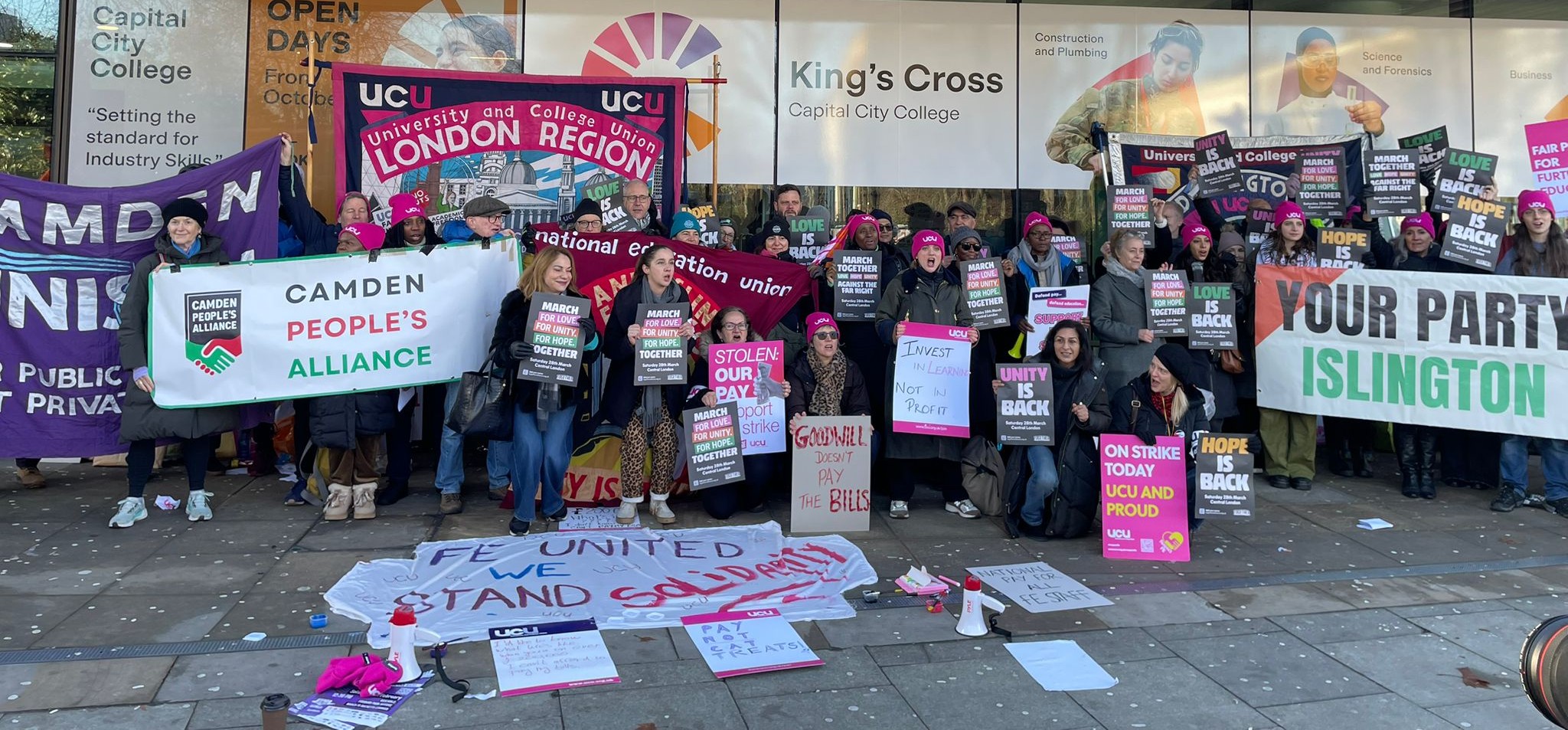
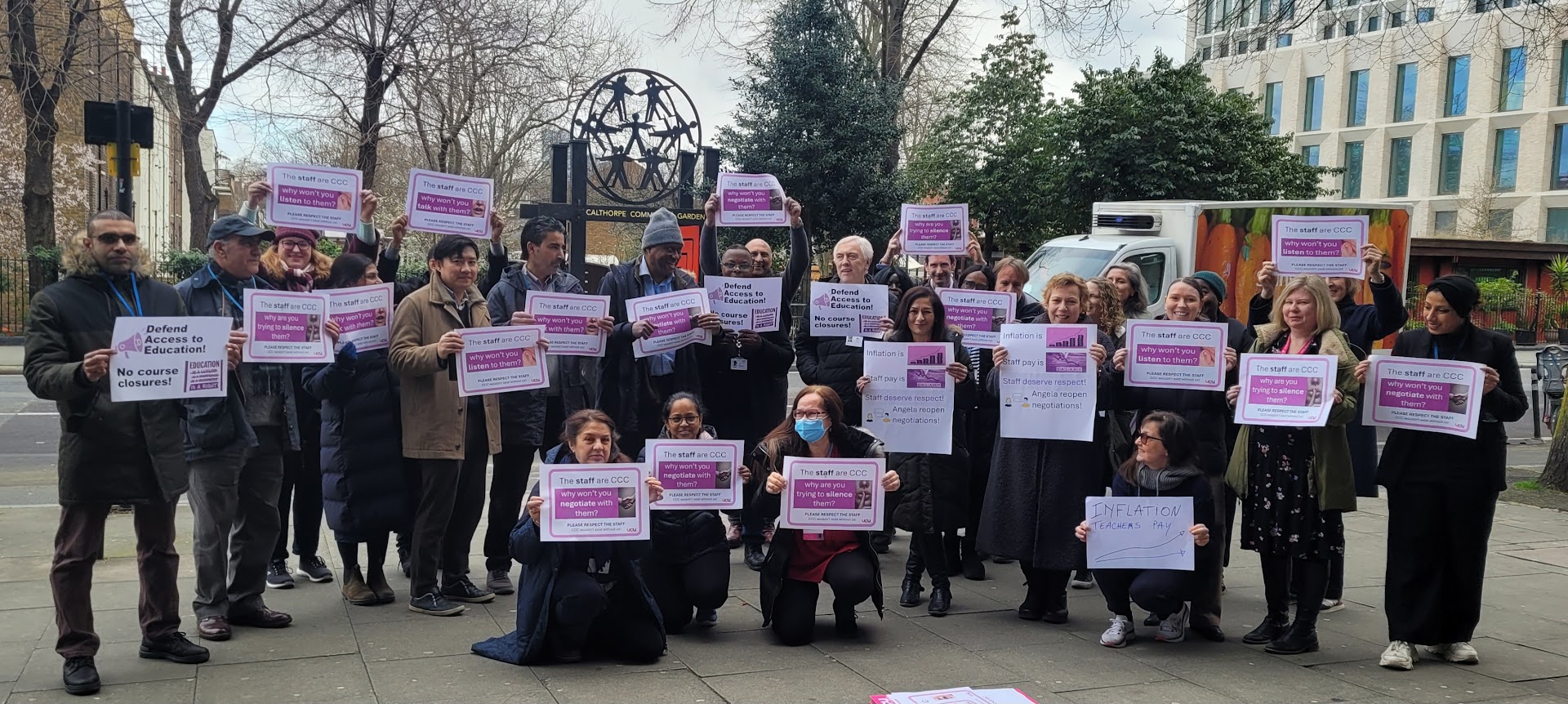
As an education union, UCU has both a responsibility and an opportunity to lead. We must place the struggle against mass youth unemployment at the centre of our campaigning work.
If elected we will work to ensure that this becomes a strategic priority for our union.
.jpg)
Get involved
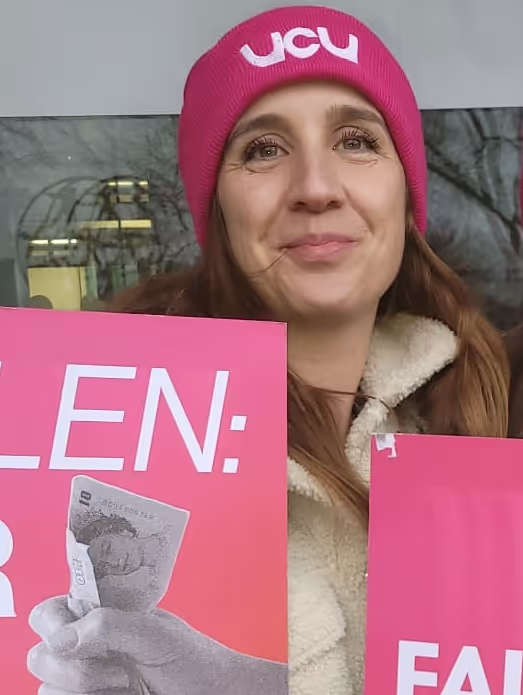

I’m standing for UCU Vice President (FE) because I care deeply about the whole post-16 education sector. I believe our union can and must be a powerful, organising force that delivers for members. Members want a union that listens, stands up for them, provides real solidarity and is prepared to fight with and for them.
If you have any questions, please get in touch as I really do want to hear from members: rpilling4UCUVP@proton.me
Unfortunately, turnout in UCU elections is often low, so every vote counts. If you support what I’m standing for, please vote for me and encourage others to do the same.
It would be an honour to serve as your UCU Vice President (FE) and to stand up for our members across the sector.
I am standing as a member of UCU Left, here is more information about our slate.
I am supporting Sean Wallis for UCU Vice President (HE) - please visit seanwallis.uk
If you’d like to get involved in the campaign, please fill in the form below: